Unexpected Correlations Between Player Tracking Data and Bonus Wagering Patterns in Regulated Online Platforms
Xander Becker · May 26, 2026
Unexpected Correlations Between Player Tracking Data and Bonus Wagering Patterns in Regulated Online Platforms
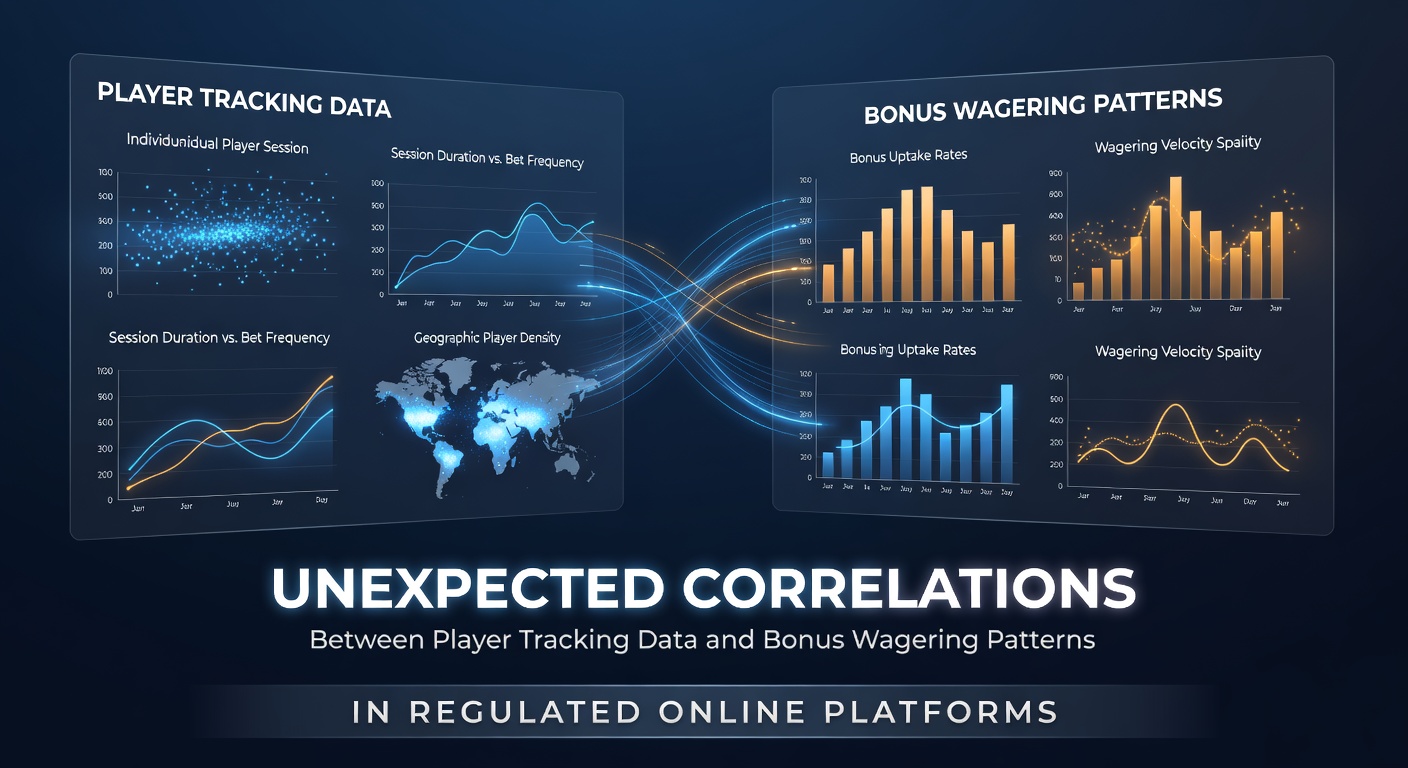
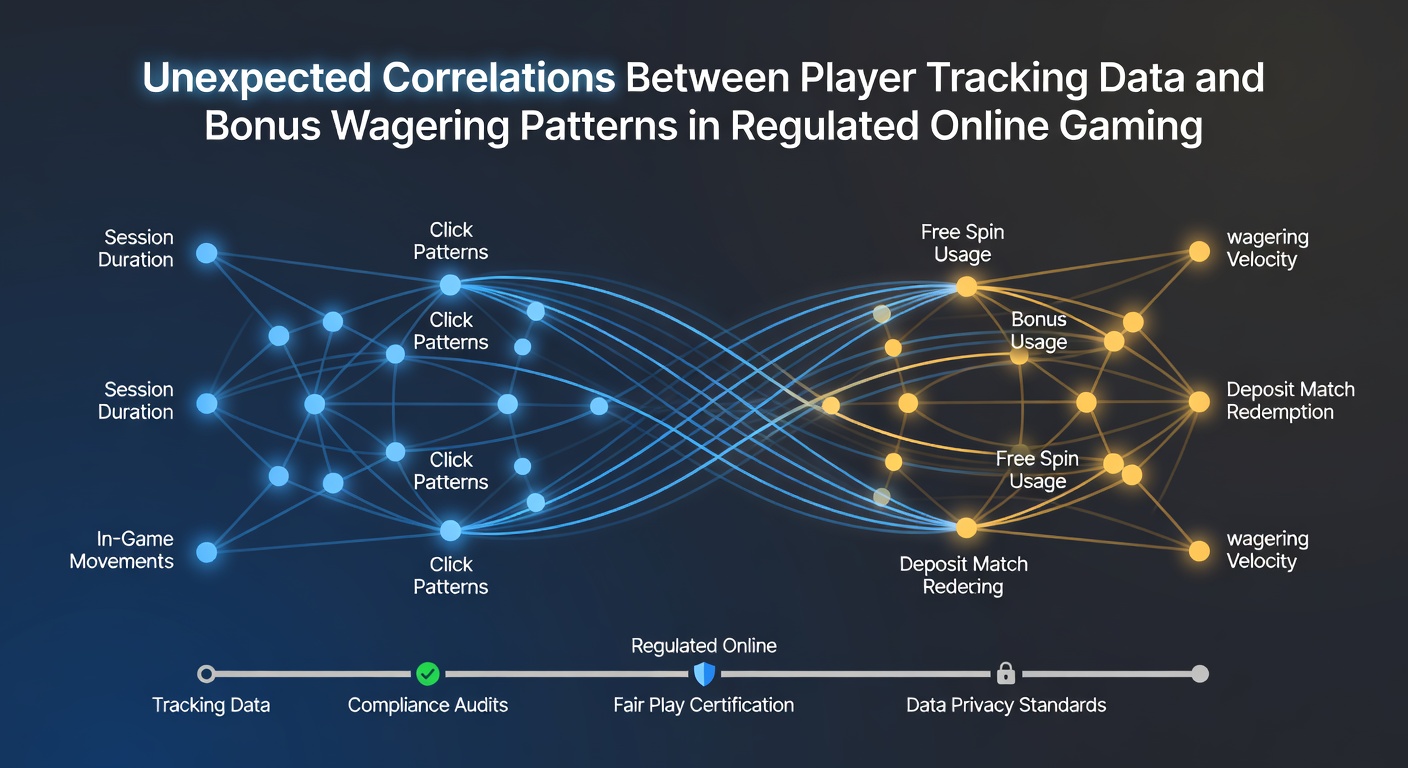
Regulated online platforms collect extensive player tracking data that includes session duration, deposit frequency, game selection sequences, and time-stamped wagering activity while operators monitor bonus wagering patterns through completion rates, stake size distributions, and rollover fulfillment timelines. These two data streams intersect in ways that researchers continue to document across multiple jurisdictions.
Player Tracking Infrastructure in Licensed Markets
Platforms operating under licenses from bodies such as the New Jersey Division of Gaming Enforcement maintain centralized databases that log every interaction in real time and analysts cross-reference these logs with bonus redemption records to identify recurring sequences. Data shows that players who trigger deposit bonuses within the first fifteen minutes of account creation often exhibit elevated variance in subsequent bet sizing compared with those who activate bonuses after several unprompted sessions. Regulatory filings from Ontario's Alcohol and Gaming Commission reveal similar timing-based markers appearing consistently in monthly compliance reports submitted throughout 2025 and into early 2026.
Bonus Structures and Wagering Requirements
Bonus offers in regulated environments typically carry wagering multipliers ranging from twenty times to fifty times the combined deposit and bonus amount and operators record the exact order in which players tackle these requirements across different game categories. Figures released by the Malta Gaming Authority in its 2025 industry overview indicate that slot-focused bonus clearing correlates with shorter overall session lengths yet higher total handle per minute while table game clearing tends to stretch across multiple days with steadier smaller stakes. These distinctions emerge clearly when platforms segment data by bonus type and compare them against baseline play without promotional incentives.
Documented Correlations Across Datasets
Studies conducted by academic teams at the University of Nevada, Las Vegas have examined anonymized datasets spanning eighteen months and uncovered links between rapid progression through loyalty tiers and accelerated bonus rollover completion. Players advancing to mid-tier status within sixty days demonstrate a measurable uptick in multi-game switching immediately after bonus activation and this behavior appears in both desktop and mobile channels. In May 2026 several platforms incorporated these tier-progression signals into their risk models following internal audits that confirmed predictive value for identifying accounts likely to exhaust promotional funds within single calendar weeks.
Additional patterns surface when operators examine deposit method alongside wagering velocity. Credit card deposits paired with bonus claims frequently precede concentrated play on high-volatility titles whereas e-wallet deposits correlate with more distributed activity across low to medium volatility options. These associations hold across multiple licensed operators and persist even after controlling for player tenure and average session frequency.
Regulatory Monitoring and Compliance Adjustments
Authorities in multiple regions now request granular exports that combine player tracking identifiers with bonus ledger entries to detect potential circumvention of responsible gambling thresholds. The Alcohol and Gaming Commission of Ontario updated its data submission protocols in spring 2026 to include mandatory fields for bonus-specific stake distribution and early results suggest improved visibility into clusters where short-duration high-intensity sessions coincide with promotional play. Similar enhancements appear in guidance issued by the Nevada Gaming Control Board which began requiring quarterly correlation summaries from all internet gaming permit holders.
Platform operators respond by refining internal algorithms that flag accounts displaying rapid bonus cycling followed by abrupt drops in activity and these flags trigger automated outreach under responsible gambling frameworks already embedded in licensing conditions. Evidence from compliance audits indicates that such interventions align with observed reductions in disputed chargeback volumes tied to bonus-related accounts.
Operational Implications for Data Integration
Integrating player tracking outputs with bonus management systems requires standardized schemas that preserve timestamp accuracy across both datasets and vendors supplying these tools have introduced application programming interfaces that allow real-time joins without exposing personally identifiable information. Research teams note that latency below three seconds between event logging and pattern scoring yields the strongest alignment with subsequent regulatory reporting needs. Jurisdictions that mandate such integration report smoother audit cycles and fewer follow-up data requests from oversight bodies.
Conclusion
Correlations between player tracking metrics and bonus wagering sequences continue to inform both operational decisions and regulatory oversight in licensed online environments. As datasets expand through 2026 and beyond, the precision of these observed relationships supports more targeted compliance measures while maintaining the integrity of promotional offerings across regulated markets.