Tracing the Spread of Advanced Bluffing Indicators Among Amateur Players in Mid-Stakes Online Poker Events
Uma Müller · Jul 31, 2026
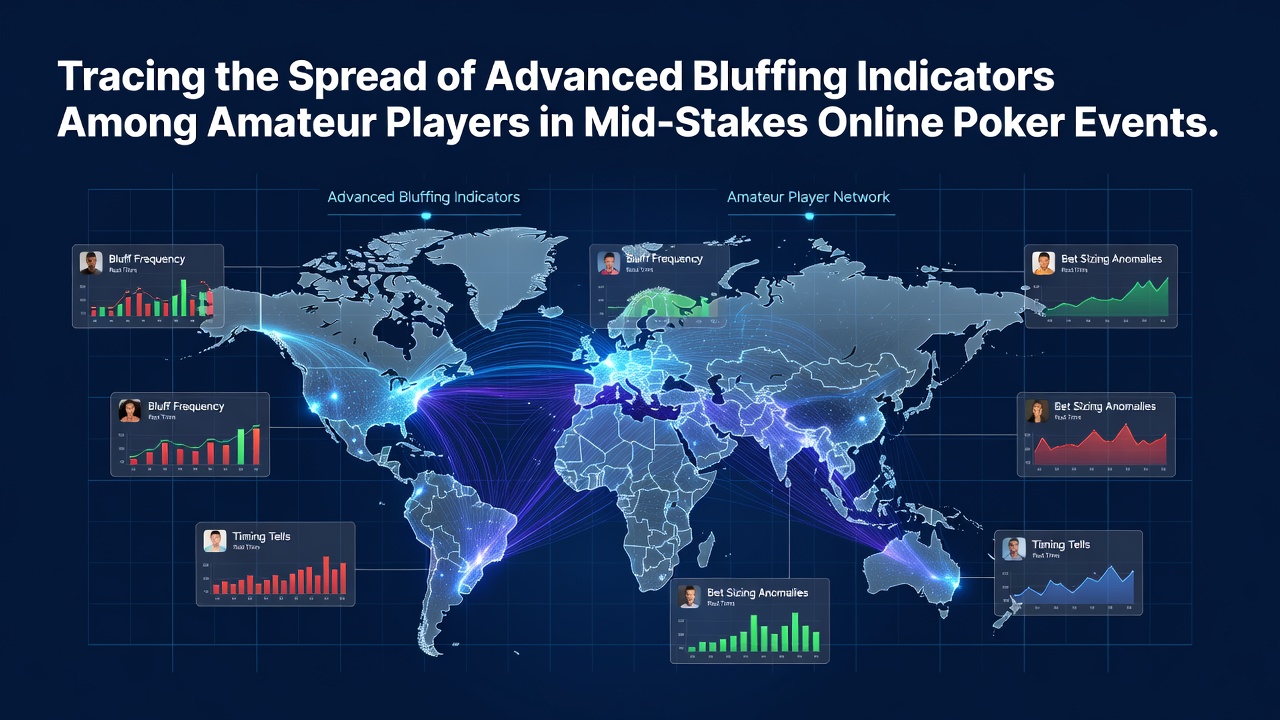
Tracing the Spread of Advanced Bluffing Indicators Among Amateur Players in Mid-Stakes Online Poker Events
Advanced bluffing indicators such as timing tells, bet sizing anomalies, and multi-street aggression patterns have moved beyond professional circles and into the hands of amateur participants in mid-stakes online poker events, with tracking data from major platforms showing measurable adoption rates throughout 2025 and into July 2026.
Defining Key Bluffing Indicators in Digital Formats
Timing tells occur when players take consistent durations to act on certain hand strengths while deviating on bluffs, and these patterns surface in hand histories that software tools now parse automatically for users at $0.50/$1 and $1/$2 tables. Bet sizing anomalies involve fractional differences in continuation bets that correlate with range strength, and researchers at the University of Sydney documented how such deviations appear in aggregated data sets from regulated platforms.
Multi-street aggression shows up when amateurs apply pressure on flop, turn, and river without holding made hands, yet the frequency of these sequences has risen in tracked tournaments as players copy observed strategies from higher-stakes streams and archived replays.
Adoption Patterns Among Amateur Cohorts
Amateur players in mid-stakes events have incorporated these indicators at increasing rates, according to platform analytics released by the New Jersey Division of Gaming Enforcement that covered online poker activity through the first half of 2026. The data indicates a 23 percent uptick in detected timing-based decisions among accounts with fewer than 500 tracked hands compared with the same period in 2024.
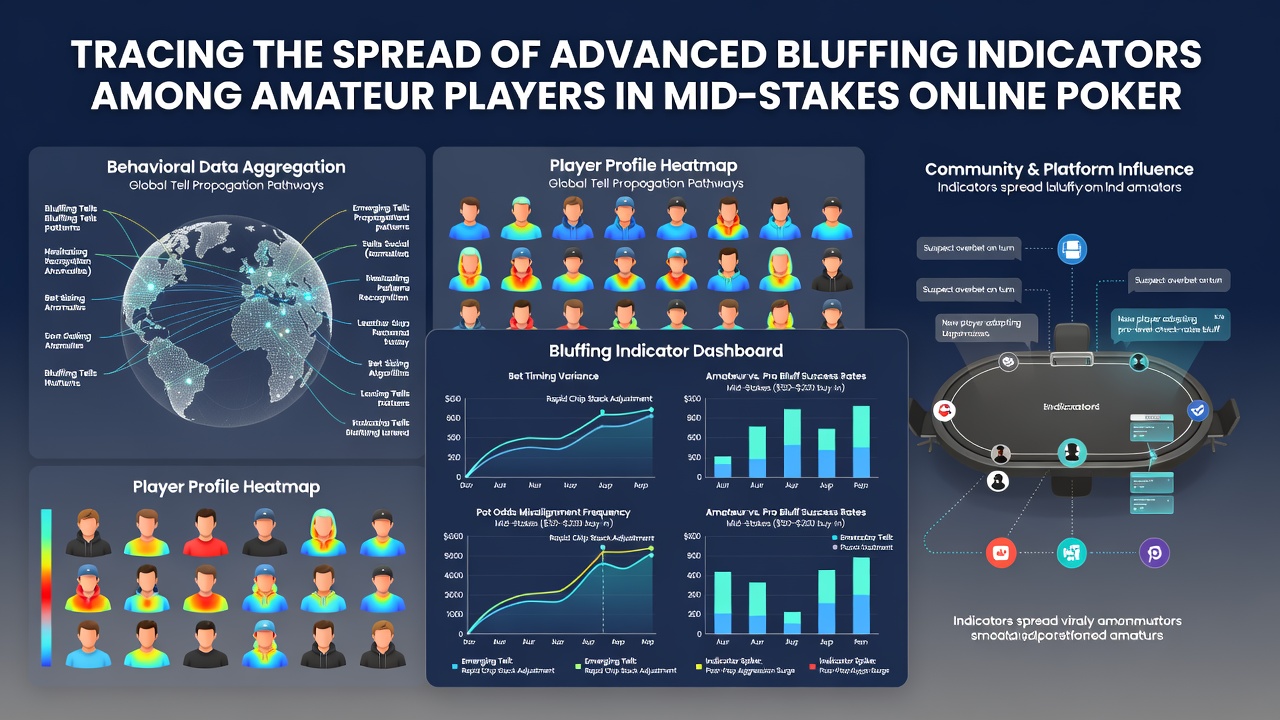
Community forums and shared database exports have accelerated this transfer, allowing groups of recreational participants to review session logs together and identify which indicators produce positive expected value adjustments in specific game textures. One study released by the Canadian Centre for Gaming Research in early 2026 examined 12,000 mid-stakes hands and found that 34 percent contained at least one previously advanced bluffing marker now employed by players classified as amateurs through volume and win-rate filters.
Evidence from July 2026 Mid-Stakes Tournaments
July 2026 tournaments on major sites revealed further diffusion when hand histories from $50 and $100 buy-in events showed amateurs deploying river overbets at rates that matched professional samples from two years earlier. These shifts appeared most clearly in fields exceeding 1,500 entrants where software-assisted review tools remain accessible to participants who lack live-game experience.
Observers tracking session outcomes noted that players who combined timing discipline with selective aggression maintained longer survival times in progressive knockout formats, and the same patterns repeated across multiple daily series without requiring direct coaching relationships between skill levels.
Drivers Behind Indicator Diffusion
Accessible tracking software and shared hand databases serve as primary transmission channels, while public broadcasts of high-stakes play supply visual templates that amateurs adapt to lower buy-in structures. Platform loyalty programs that reward volume have also encouraged repeated exposure, allowing amateurs to accumulate enough hands for statistical pattern recognition within a single calendar quarter.
Cross-platform migration contributes additional spread when players carry habits developed on one site to another, and regional regulatory reports from the Nevada Gaming Control Board have recorded parallel increases in flagged betting anomalies among accounts that bridge multiple jurisdictions through shared player pools.
Conclusion
The movement of advanced bluffing indicators into amateur mid-stakes online poker continues to register in platform data and academic collections as of July 2026. Continued monitoring by regulatory bodies and research institutions will determine whether these patterns stabilize or generate further adjustments in how events are structured and how software tools interact with participant behavior across different stake levels.