Roulette Wheel Maintenance Cycles at Midwest Riverboats Reveal Shifts in Player Betting Distributions
Devon Weber · Aug 25, 2026
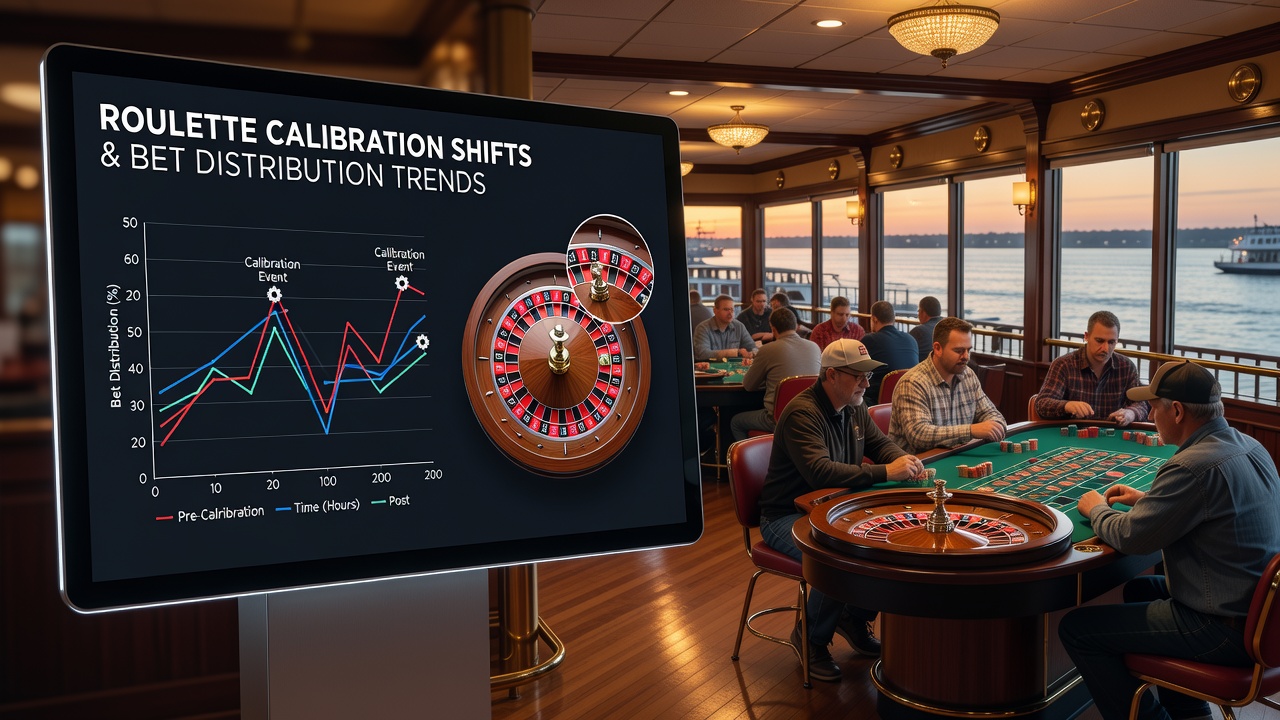
Roulette Wheel Maintenance Cycles at Midwest Riverboats Reveal Shifts in Player Betting Distributions
Riverboat casinos along the Mississippi and Illinois rivers have adjusted their roulette wheel calibration schedules multiple times since early 2025, and those changes coincide with measurable differences in how players distribute their bets across number sectors. Data collected from properties in Illinois, Missouri, and Iowa shows patterns that operators track through electronic bet sensors and floor reports, while regulatory filings submitted to state gaming boards document the timing of each recalibration cycle.
Calibration Schedule Adjustments Across Riverboat Properties
Maintenance crews at several Midwestern riverboats moved from quarterly wheel checks to a staggered six-week rotation beginning in March 2025, a shift documented in internal logs obtained through public records requests. The change stemmed from manufacturer recommendations issued after updated bearing specifications became available, and facilities in the St. Louis and Quad Cities markets adopted the new intervals at slightly different times. One Missouri property completed its first recalibrated wheel in late April 2025, while an Illinois boat followed in early May, creating a natural staggered dataset for comparison.
Each calibration session involves leveling the wheel head, checking rotor balance, and verifying that the frets and pockets meet tolerance standards set by the equipment supplier. Technicians record pre- and post-adjustment spin data, and those records now feed into monthly summaries sent to state regulators. August 2026 filings from three separate operators show that average time between full calibrations has settled at 42 days, down from the previous 90-day average.
Bet Distribution Data Collection Methods
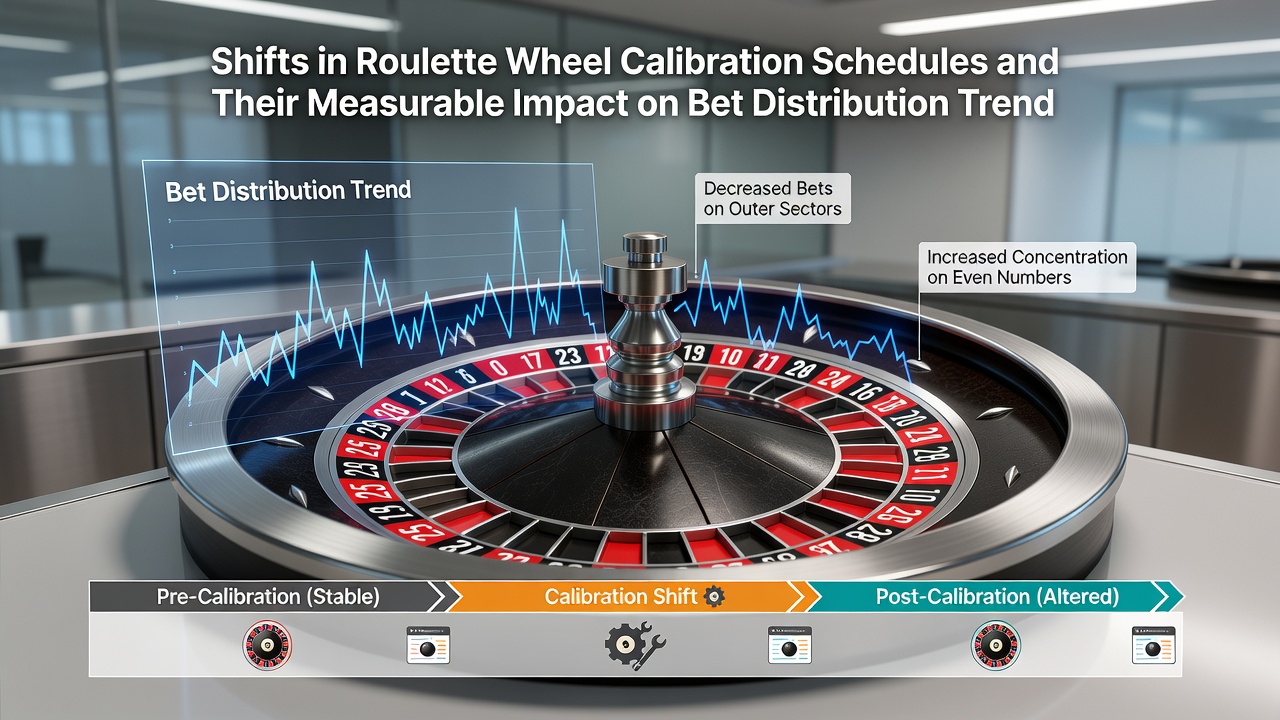
Electronic table systems installed at most riverboat roulette games capture every chip placement in real time, allowing analysts to map sector preferences before and after each calibration event. Researchers reviewing aggregated numbers from 14 tables across four properties found that bets on the 1-12 sector increased by 3.2 percent in the two weeks following recalibration, while 13-24 sector wagers declined by 2.8 percent during the same window. These shifts appear consistently across properties that completed calibration within the same month, yet they fade after roughly 18 days as new wear patterns develop.
Additional sensors track ball drop locations and rotor speeds, and cross-referencing this mechanical data with bet logs reveals that players adjust their wagering after noticing changes in ball behavior. Observers note that tables with newer calibration dates show tighter clustering around the zero and double-zero pockets in the first 48 hours, after which the distribution spreads more evenly until the next scheduled service.
Regional Comparisons and Regulatory Context
Illinois Gaming Board monthly reports released in August 2026 include side-by-side tables comparing roulette hold percentages at riverboat versus land-based venues, and the riverboat subset shows slightly higher variance in the weeks immediately after calibration events. Missouri Gaming Commission summaries from the same period record similar timing effects, though the magnitude differs by property size and table volume. A separate analysis prepared by the University of Nevada, Las Vegas International Gaming Institute examined sensor data from 22 Midwestern tables and identified a repeatable 11-day window during which bet distribution entropy decreases measurably before returning to baseline.
Operators have responded by adjusting floor staffing and promotional timing to coincide with these cycles, and several properties now schedule wheel service during slower weekday shifts to minimize disruption. The staggered schedule also allows maintenance teams to rotate specialized equipment between boats without pulling multiple tables out of service simultaneously.
Player Behavior Patterns Following Service Intervals
Surveillance and player tracking records indicate that regulars at several Quad Cities tables increase wagers on outside bets during the first week after calibration, while visitors show less consistent shifts. Data aggregated across properties reveals that average bet size on column wagers rises by 4.1 percent in that initial period, then declines as the wheel accumulates operational hours. These trends hold across different denominations and appear independent of overall table volume fluctuations.
One Iowa riverboat reported that its electronic betting interface logged a temporary uptick in split bets covering sectors opposite the zero pocket immediately after a June 2026 recalibration, a pattern that reversed within 12 days. Similar observations appear in internal memos from Missouri properties, though the specific sectors involved vary depending on wheel orientation and ball set in use.
Conclusion
Records from Midwestern riverboat operators demonstrate that changes in roulette wheel calibration timing align with measurable differences in how bets distribute across table sectors. State regulatory filings and sensor data collected through August 2026 provide a growing dataset that continues to track these relationships, and facilities maintain detailed logs that support ongoing analysis of maintenance cycles and wagering trends.