Player Migration Trends Between Digital Platforms and Physical Venues Driven by Loyalty Program Structures
Uma Müller · Jun 19, 2026
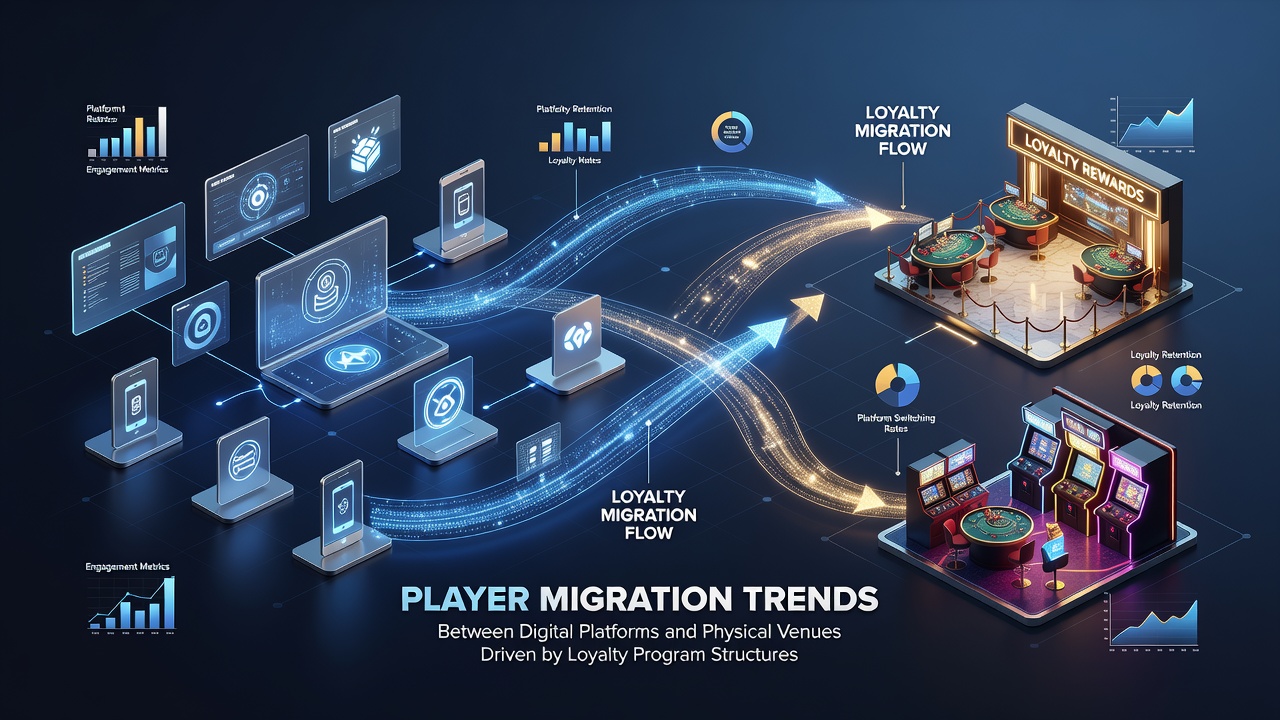
Player Migration Trends Between Digital Platforms and Physical Venues Driven by Loyalty Program Structures
Player migration between digital platforms and physical venues has accelerated in 2026, with loyalty program structures serving as the primary catalyst for these shifts. Data from multiple jurisdictions shows that integrated reward systems now influence where players choose to spend time and money, creating measurable flows in both directions. Observers note that programs offering tiered benefits across channels have reduced the traditional separation between online and land-based gaming environments.
Loyalty Structures Reshaping Player Behavior
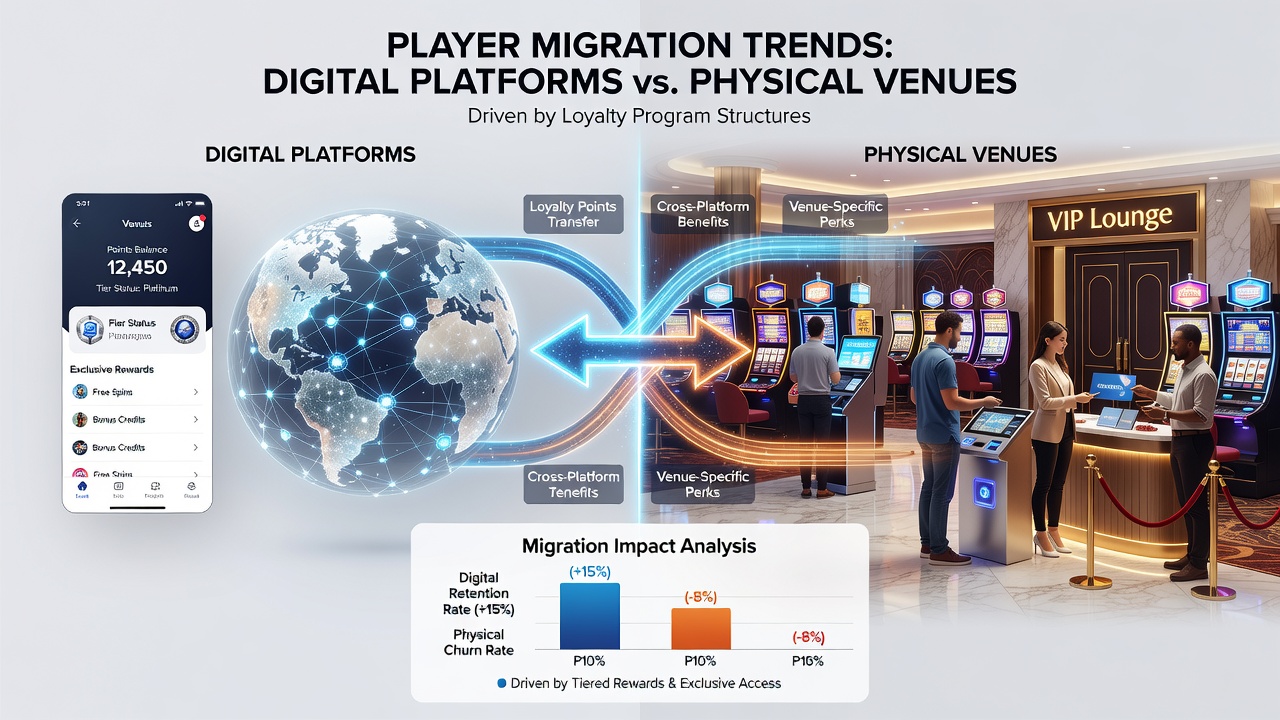
Operators have expanded cross-platform loyalty frameworks that award points for activity on apps and at physical properties, then allow redemption at either location. This approach has produced documented changes in session patterns, particularly among players who maintain consistent engagement across multiple months. Research from state regulatory bodies indicates that when loyalty tiers grant access to exclusive physical events based on online play, a measurable portion of users begin visiting venues more frequently.
Conversely, programs that convert physical play into digital bonuses have encouraged some venue regulars to test online platforms. Figures released in early June 2026 by the Nevada Gaming Control Board revealed increases in online account activations tied directly to land-based reward redemptions during the first quarter. These activations often involve players who previously maintained separate accounts without unified tracking.
Documented Migration Patterns Across Regions
Studies tracking player IDs across systems show distinct regional differences in migration speed. Markets with mature integrated loyalty programs, such as those in Nevada and New Jersey, report higher rates of two-way movement than areas where digital and physical operations remain siloed. One analysis of multi-state data found that players receiving personalized offers based on combined activity histories demonstrated longer overall engagement periods with the operator's ecosystem.
What's interesting is how bonus structures affect the direction of travel. Programs emphasizing physical venue perks, including hotel stays and event access, tend to draw digital users toward locations during peak seasons. In contrast, digital platforms offering instant cashback or free spins based on recent venue visits see spikes in app activity shortly after players leave physical sites.
Industry Data and Regulatory Insights
According to reports from the American Gaming Association, operators with unified loyalty databases have recorded average increases in cross-channel play frequency compared to those maintaining separate systems. These trends appear consistent through May and into June 2026, with several major companies noting that loyalty-driven offers now account for a growing share of both online deposits and table game drop at partnered properties.
Academic researchers at the University of Nevada, Las Vegas have examined anonymized transaction logs from participating operators. Their findings highlight that players who reach mid-tier loyalty status within unified programs show reduced churn rates, suggesting the structure itself encourages sustained participation across environments rather than favoring one channel exclusively.
Examples from Specific Markets
Take one operator network operating in multiple states that introduced a single loyalty currency redeemable for both online tournament entries and physical buffet credits. Tracking data indicated a 14 percent rise in venue visits among previously online-only users within six months of launch. At the same time, regular venue players increased their digital session counts when loyalty points earned at tables unlocked mobile game credits.
Similar patterns emerged in tribal gaming facilities across several western states, where loyalty apps connect slot play at the property with online social casino features. Regulatory filings show these integrations have coincided with steadier overall revenue streams, as players maintain activity even when travel to the venue becomes less frequent.
Conclusion
Loyalty program structures continue to drive observable player migration between digital platforms and physical venues as operators refine reward mechanics. Available data through mid-2026 demonstrates that unified tracking and cross-channel benefits produce measurable shifts in where and how players engage. Regulatory bodies and industry groups continue monitoring these patterns as more operators adopt integrated approaches.