Effects of Audio-Visual Feedback Loops on Decision-Making Processes in Modern Slot Machine Interactions at Licensed Properties
Finley Lorenz · Aug 2, 2026
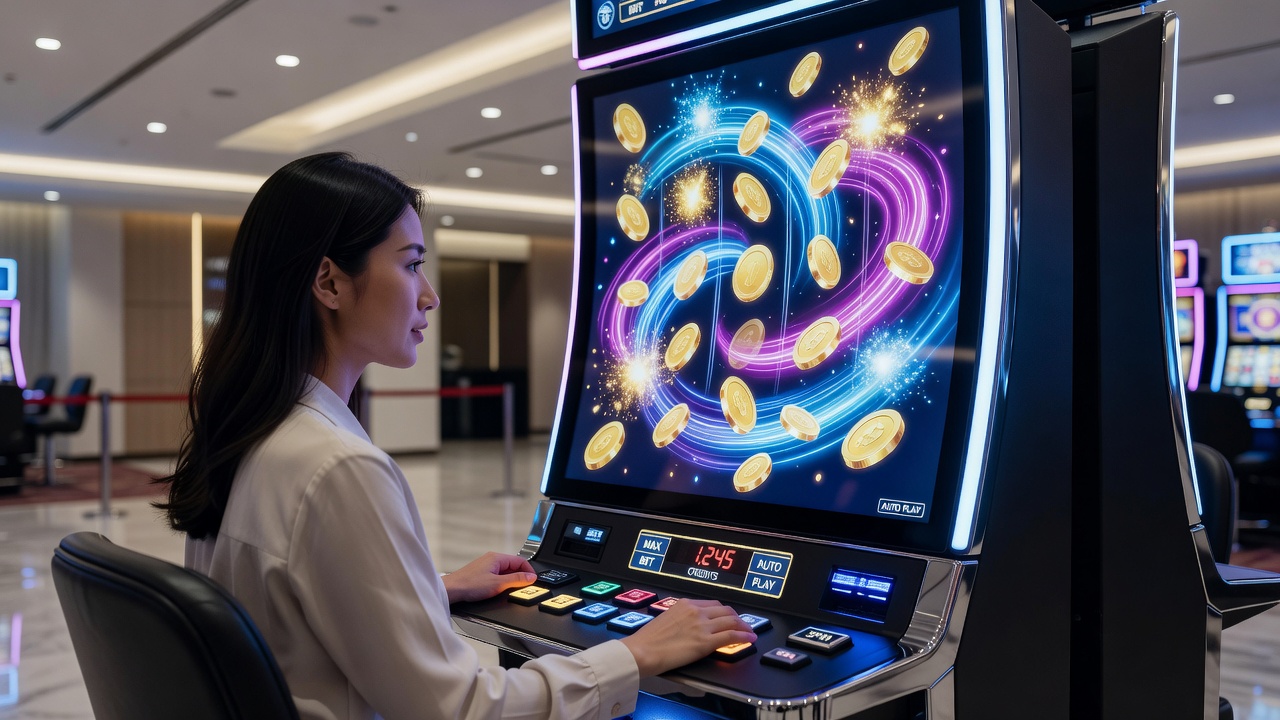
Effects of Audio-Visual Feedback Loops on Decision-Making Processes in Modern Slot Machine Interactions at Licensed Properties
Modern slot machines at licensed properties integrate layered audio-visual feedback systems that respond instantly to each spin outcome, and these loops shape how players evaluate risks and rewards in real time. Manufacturers program reels to produce celebratory chimes, synchronized light patterns, and animated sequences whenever credits accumulate, while near-miss configurations trigger distinct tonal shifts and visual pauses that extend engagement without altering mathematical probabilities. Data collected across multiple jurisdictions shows these elements operate continuously during sessions, creating predictable reinforcement cycles that players encounter at every touchpoint on the machine interface.
Core Mechanics of Feedback Integration
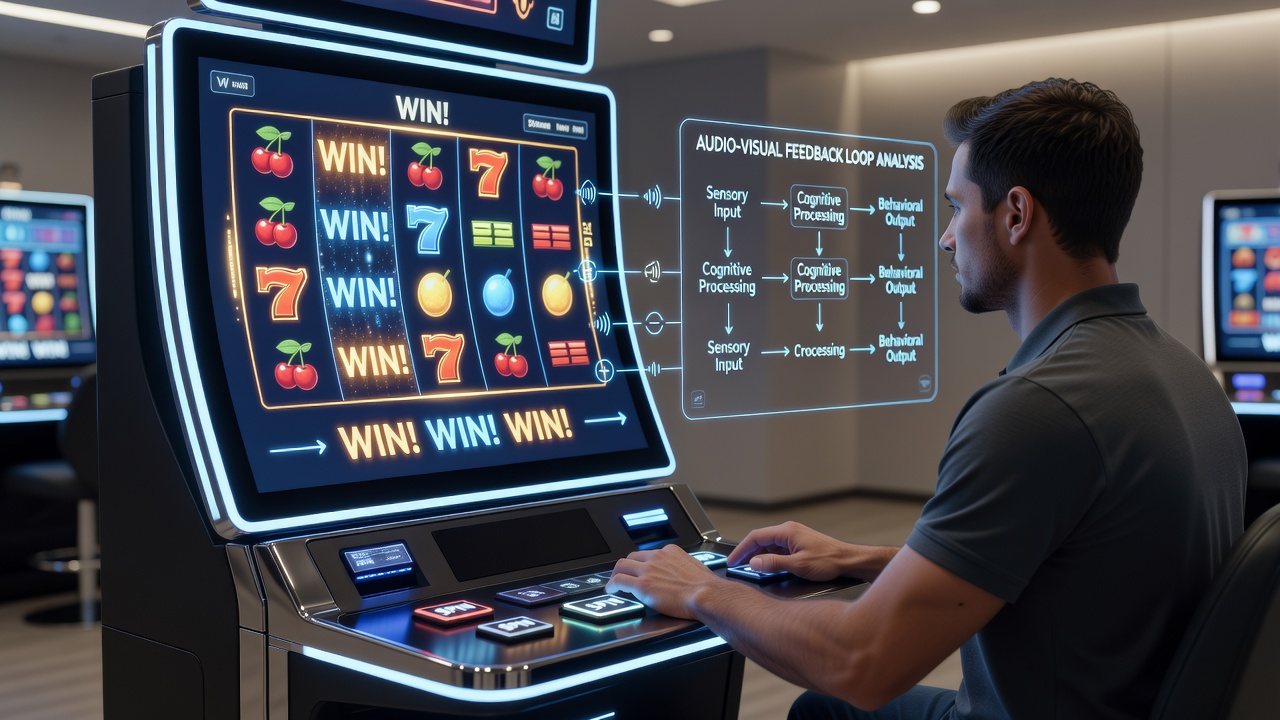
Each machine employs a closed-loop architecture where player input generates immediate sensory output, and subsequent inputs adjust based on prior results to maintain momentum. Sound engineers layer escalating musical phrases that peak during bonus rounds, while visual designers synchronize screen flashes with cabinet lighting to amplify perceived excitement around small wins. Observers note that these combined signals activate reward pathways documented in controlled laboratory settings, prompting continued play even when net session results trend negative. Licensed operators must comply with technical standards that permit such features, yet the standards focus primarily on fairness testing rather than behavioral impact thresholds.
Documented Influences on Player Choices
Research conducted at university laboratories demonstrates that exposure to continuous audio-visual reinforcement correlates with extended play duration and altered bet-sizing patterns. Participants in simulation studies selected higher denomination wagers more frequently after sequences featuring rapid celebratory animations, and they persisted through losing streaks when machines delivered frequent low-level auditory rewards. Figures from property-level player tracking systems reveal similar trends in real-world environments, where average session length increases measurably on terminals equipped with enhanced sensory feedback compared to baseline models. Those who monitor regulatory filings across states report that such patterns appear consistently regardless of individual property size or regional demographics.
Regulatory Context and Recent Observations
State gaming control agencies require independent testing of random number generators and payout percentages, while audio-visual elements receive secondary scrutiny limited to ensuring they do not misrepresent outcomes. In August 2026 several properties submitted updated compliance documentation that included detailed descriptions of feedback timing, yet regulators have not established uniform guidelines addressing decision-making effects. Reports issued by the Nevada Gaming Control Board and the New Jersey Division of Gaming Enforcement track aggregate play metrics without isolating sensory variables, leaving operators to self-assess whether specific loop designs exceed intended engagement parameters.
One longitudinal analysis of linked progressive networks found that jackpot celebration sequences, which combine prolonged light shows with layered soundtracks, coincided with temporary spikes in adjacent machine activity as nearby players adjusted their own wagering behavior in response. Such observations align with findings from academic studies examining multisensory integration, where simultaneous auditory and visual stimuli strengthen memory encoding of positive outcomes even when those outcomes represent statistically minor events.
Comparative Data Across Jurisdictions
Property reports from tribal gaming facilities in multiple states indicate that machines with adjustable feedback intensity settings show measurable differences in average bets per spin when operators reduce animation duration or mute secondary sound layers during testing periods. Canadian regulatory summaries and Australian state gaming reports similarly document variations in session metrics tied to interface customization, although direct causation remains difficult to isolate from concurrent factors such as floor layout and promotional overlays. Researchers continue to refine methodologies that separate sensory reinforcement from other environmental variables, producing incremental updates to the broader evidence base each quarter.
Technical Standards and Future Adjustments
Current hardware specifications allow manufacturers to modulate feedback parameters through software updates, and several suppliers have introduced operator-controlled toggles for light intensity and sound volume. These controls enable properties to align machine behavior with internal responsible gaming protocols without hardware replacement. Industry associations have begun circulating best-practice documents that reference emerging research on feedback timing, encouraging members to review session data for signs of accelerated play patterns. Technical working groups continue to evaluate whether standardized reporting categories for sensory features would improve regulatory oversight across different licensing frameworks.
Conclusion
Audio-visual feedback loops remain integral to contemporary slot machine design at licensed properties, and available data confirms their measurable association with player decision patterns during active sessions. Regulatory bodies track overall performance metrics while academic and industry researchers refine tools for isolating sensory contributions. As testing protocols evolve and operators gain finer control over interface parameters, the relationship between these systems and session-level choices will likely receive continued examination through additional field studies and compliance documentation.