Audio Design in Slots and Its Impact on Player Timing During Poker Tournament Breaks
Finley Lorenz · Oct 17, 2026

Audio Design in Slots and Its Impact on Player Timing During Poker Tournament Breaks
Slot games use layered soundtracks that combine background music, reel spins, and win chimes to guide player actions, and observers note these elements often align with break periods in poker tournaments where participants shift to quick entertainment options. Research from industry reports indicates that specific audio frequencies and tempos can alter how quickly individuals place bets, with data from multiple casino floors showing measurable differences in spin intervals when certain tracks play versus silence or neutral tones.
Studies conducted across North American gaming venues reveal that upbeat, rhythmic audio tracks tend to shorten the time between bets while more subdued soundscapes extend pauses between spins. According to figures released by the Nevada Gaming Control Board in early 2026, average bet timing during tournament breaks dropped by several seconds in rooms equipped with dynamic audio systems compared to those using static loops. This pattern holds across different player demographics, though the effect appears stronger among those who already engage with slots during scheduled poker intermissions.
Core Components of Slot Audio Systems
Modern slot machines incorporate three primary audio layers that operate simultaneously. The first consists of continuous background music designed to maintain engagement without overwhelming concentration. The second includes mechanical sounds tied directly to reel movement and button presses. The third features celebratory cues triggered by wins or near-misses, and these elements combine to create feedback loops that influence decision speed. Gaming analysts have documented how each layer interacts with player behavior during short windows such as poker tournament breaks, which typically last fifteen to thirty minutes.
Sound engineers adjust tempo and volume based on machine location and expected traffic patterns. Data collected from tribal facilities in multiple states shows that higher-tempo tracks correlate with faster bet placement, while lower volumes allow players to sustain longer sessions without fatigue. These adjustments occur automatically through software that responds to time of day and occupancy levels, creating environments where audio supports rapid cycling during peak break periods.
Documented Timing Patterns in Tournament Settings
Poker tournaments generate predictable breaks that draw players toward nearby slot banks, and audio elements appear to shape how long each individual remains at a machine. One study tracking play sessions at properties in the Midwest found that machines with synchronized win chimes prompted quicker re-bets after small payouts, reducing average dwell time per credit. In contrast, machines featuring extended celebratory sequences encouraged players to pause longer before the next wager, altering overall throughput during the same break window.
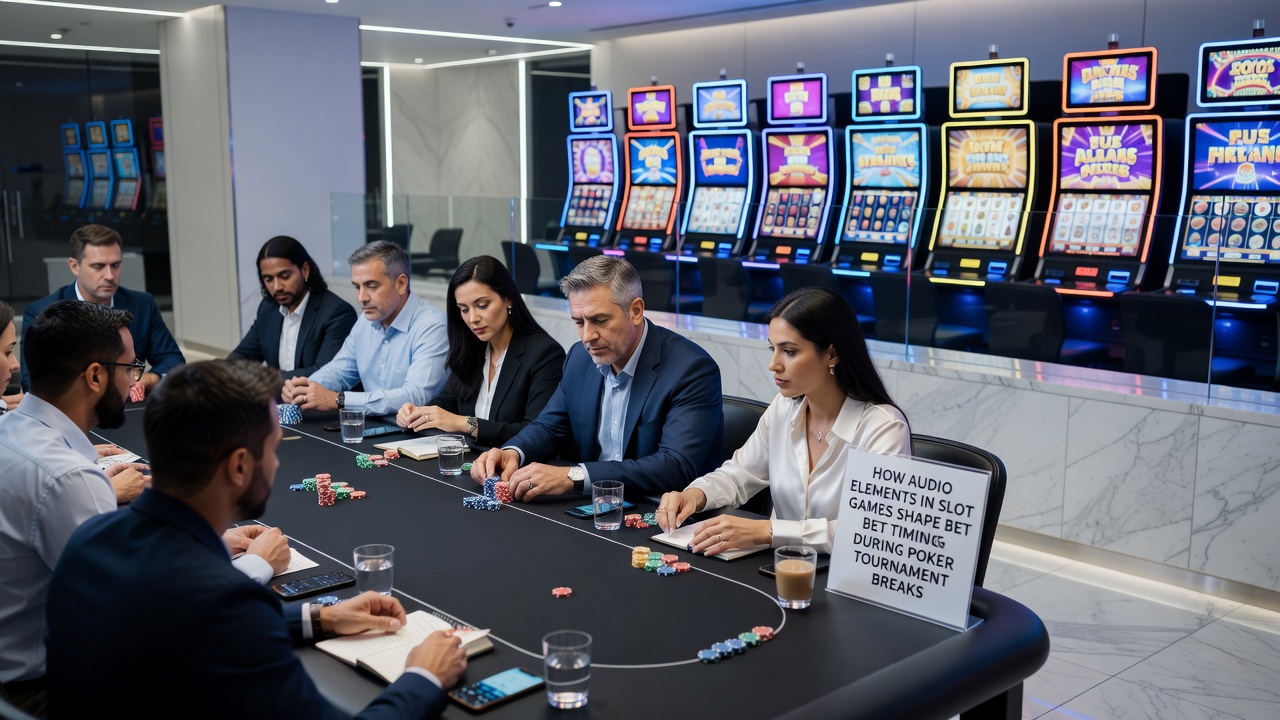
Researchers examining session logs from Australian venues reported similar outcomes, noting that audio intensity often matched the pace of tournament schedules. When breaks aligned with louder promotional soundtracks, bet frequency increased noticeably in the first ten minutes before tapering off. These observations come from aggregated player tracking data rather than individual case studies, providing a broad view of how sound design interacts with time constraints imposed by poker events.
Regional Data and Regulatory Context
Regulatory bodies in different jurisdictions have begun incorporating audio performance metrics into compliance reviews. The Malta Gaming Authority published findings in October 2026 that examined how sound design affects session length across European online and land-based platforms, highlighting variations tied to tournament-style promotions. Meanwhile, reports from the Australian Gambling Research Centre indicate that operators in several states adjust audio parameters specifically during major poker series to manage crowd flow between tables and machines.
These adjustments remain within established technical standards that limit maximum volume and require clear mute options. Observers note that compliance data from 2026 shows most properties maintain consistent audio profiles during break periods, yet subtle variations in track selection still produce measurable differences in bet timing across player groups.
Future Considerations for Audio Implementation
Software updates scheduled for late 2026 aim to introduce adaptive audio that responds to real-time player metrics rather than fixed schedules. Early testing at select properties suggests these systems could further refine timing patterns by modulating sound elements based on detected bet speed. Industry organizations continue to monitor these developments through ongoing data collection programs that track both revenue and session behavior during tournament breaks.
Conclusion
Audio elements in slot games demonstrate consistent associations with bet timing during poker tournament breaks according to available operational data and regulatory reports. Different sound layers influence how quickly players cycle through spins, with patterns emerging across multiple regions and venue types. As technology evolves, continued measurement will clarify the extent of these relationships without relying on individual anecdotes.